ByJohn A
The Complete Guide To Buying A Condo In Singapore
Buying a private property in Singapore represents a major financial milestone and a secure investment in one of the world’s most stable economies. Whether you are looking at a boutique development like Dunearn House or a sprawling modern high-rise, the purchasing process requires careful planning. Managing the real estate market involves understanding legal frameworks, financial commitments, and location dynamics. This guide simplifies the journey, helping you make informed decisions from the initial search to the day you collect your keys. With the right preparation, acquiring your dream home becomes a rewarding and straightforward process.
Determining Your Eligibility and Property Choices
Before browsing listings, you must establish your eligibility under Singapore law. Singapore citizens face the fewest restrictions and can buy any private condominium. Permanent residents can also purchase condos freely, though they face higher tax rates. Foreigners can purchase private condominium units without prior government approval, making Singapore a highly attractive market for international investors.
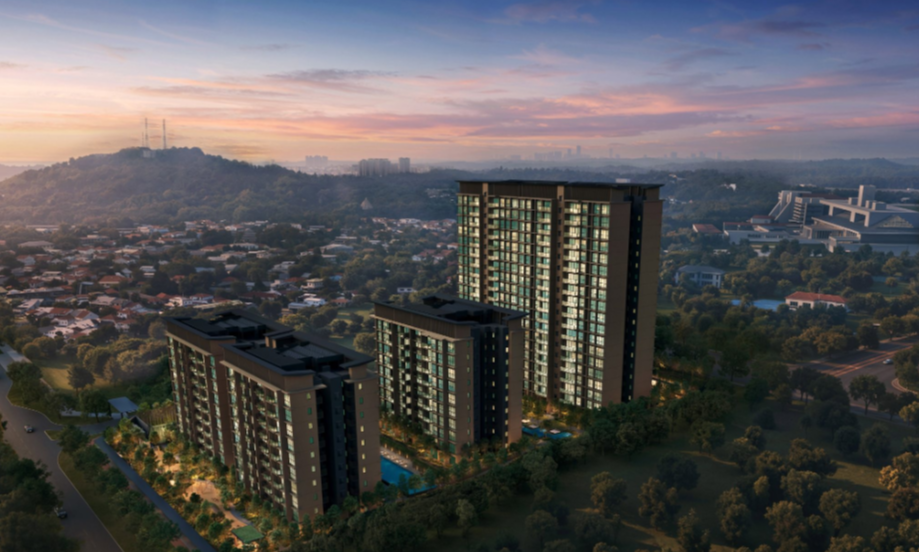
As you assess your options, you must choose between leasehold properties, which typically run for 99 years, and freehold properties, which retain their value indefinitely. Boutique developments like Dunearn House offer exclusivity and high land value in prime districts. On the other hand, newer launches like Lucerne Grand represent modern architectural design with comprehensive lifestyle facilities. Freehold units generally command a premium of 10 to 15 percent over leasehold counterparts in the same area. However, leasehold developments often yield higher rental returns due to lower entry prices. Your choice should align with your long-term investment horizon, whether you prioritize immediate rental income or the preservation of generational wealth. Additionally, consider the size of the development, as larger projects typically offer lower maintenance fees due to shared costs among more owners.
Financial Planning and Upfront Costs
Securing your finances is the most critical step in the buying process. You must secure an In-Principle Approval (IPA) from a bank before making any offers. This document states how much a financial institution will lend you based on your income and debt obligations. Under current regulations, the maximum Loan-to-Value (LTV) limit for a first housing loan is 75 percent of the property value. This means you must cover the remaining 25 percent through a combination of cash and your Central Provident Fund (CPF) Ordinary Account savings.
Beyond the down payment, you must budget for significant transactional taxes. The Buyer’s Stamp Duty (BSD) applies to all property purchases and scales up based on the purchase price. If you are a permanent resident or a foreigner, you must also account for Additional Buyer’s Stamp Duty (ABSD), which can substantially increase your initial capital outlay. Legal fees, valuation fees, and home insurance add several thousand dollars to the total bill. Keeping a reserve fund of at least ten percent of the purchase price ensures you can cover these administrative expenses without straining your personal finances. Proper budgeting prevents unexpected cash flow bottlenecks during the transaction period.
Selecting the Right Location and Amenities
Location remains the primary driver of real estate value in Singapore. The island is divided into three main regions: the Core Central Region (CCR), the Rest of Central Region (RCR), and the Outside Central Region (OCR). Properties in prime districts like Bukit Timah, Orchard, and Novena hold their value remarkably well during economic downturns. Premium residences like Lucerne Grand benefit from their proximity to elite schools, reputable medical centers, and public transport networks.
When evaluating locations, prioritize proximity to Mass Rapid Transit (MRT) stations. A condo located within a ten-minute walk of an MRT station enjoys higher demand from both buyers and tenants. Proximity to major expressways also benefits vehicle owners, though you should balance accessibility with potential traffic noise. Additionally, check the Urban Redevelopment Authority (URA) Master Plan to identify future infrastructure developments in the neighborhood. Buying a home in an area slated for new MRT lines, commercial hubs, or green spaces can lead to substantial capital appreciation over time. Conversely, avoid areas with heavy industrial activity unless you target a specific worker tenant pool.
The Transaction Process: From Option to Completion
Once you select a property, the formal transaction begins. For resale properties, you secure the Option to Purchase (OTP) by paying a one percent option fee in cash to the seller. This grant gives you a private window, usually fourteen days, to finalize your bank loan and review the legal terms. To exercise the option, you pay another four percent exercise fee. Your appointed real estate lawyer then handles the conveyancing process, ensuring the title transfer is clean and legally binding.
For new launch projects, the process differs slightly as you buy directly from the developer. Payments follow a progressive payment scheme, where you pay in stages based on construction milestones. This structure reduces your initial monthly mortgage payments since you only pay for completed phases. During this stage, reviewing show flats and comparing developer track records is vital. High-quality finishes, like those planned for Dunearn House, ensure lower renovation costs and better wear over time. Ensure your legal representative reviews the Sale and Purchase Agreement carefully to protect your interests regarding completion delays or defect liability periods.
Conclusion
Purchasing a condominium in Singapore is a structured process that rewards meticulous preparation. By understanding your eligibility, securing your finances early, and selecting a property with strong capital potential, you set yourself up for long-term success. Whether you prefer the quiet elegance of boutique projects or the modern allure of developments like Lucerne Grand, thorough research is your best asset. Consult with qualified real estate professionals and financial advisors to ensure your purchase aligns with your overall investment strategy. With careful planning and clear goals, your transition into Singapore private property ownership will be a smooth and profitable endeavor.